Work With Me
Work With Me
Filters

THE ART OF REST
Yin to Nidra — Exploring Movement, Stillness and the Senses
A 90-minute exploration of movement, sensation and the subtle art of deep rest.
Rather than moving towards the end range of passive postures, we explore the intelligence of the body through subtle movement, pressure, hands-on adjustments and the sensitivity of change.
We begin to investigate where movement comes from, how the body responds and how less can often offer us more.
Drawing upon the philosophical foundations of yoga, particularly Pratyahara, the withdrawal of the senses, to reclaim our attention from external patterning and move towards a more intimate relationship with sensation.
There is a chain effect to rest. Through the gradual process of withdrawing, softening and becoming more sensitive, we begin to create the conditions for a deeper state of stillness.
The practice unfolds through three components:
Self-inquiry and contemplation — Exploring our relationship with movement, sensation and the senses.
Yin exploration — Subtle movement, intelligent pressure, hands-on adjustments and discovering where the body moves freely.
Yoga Nidra — Integrating the experience through guided deep rest.
A little journey through the physical, the philosophical and perhaps a few mystical moments.
An invitation to feel rather than achieve, to explore rather than push, and to discover the art of rest.
Location: Yoga Southwest, Dunsborough
Duration: 90 minutes
Time: 5:30–7:00 pm
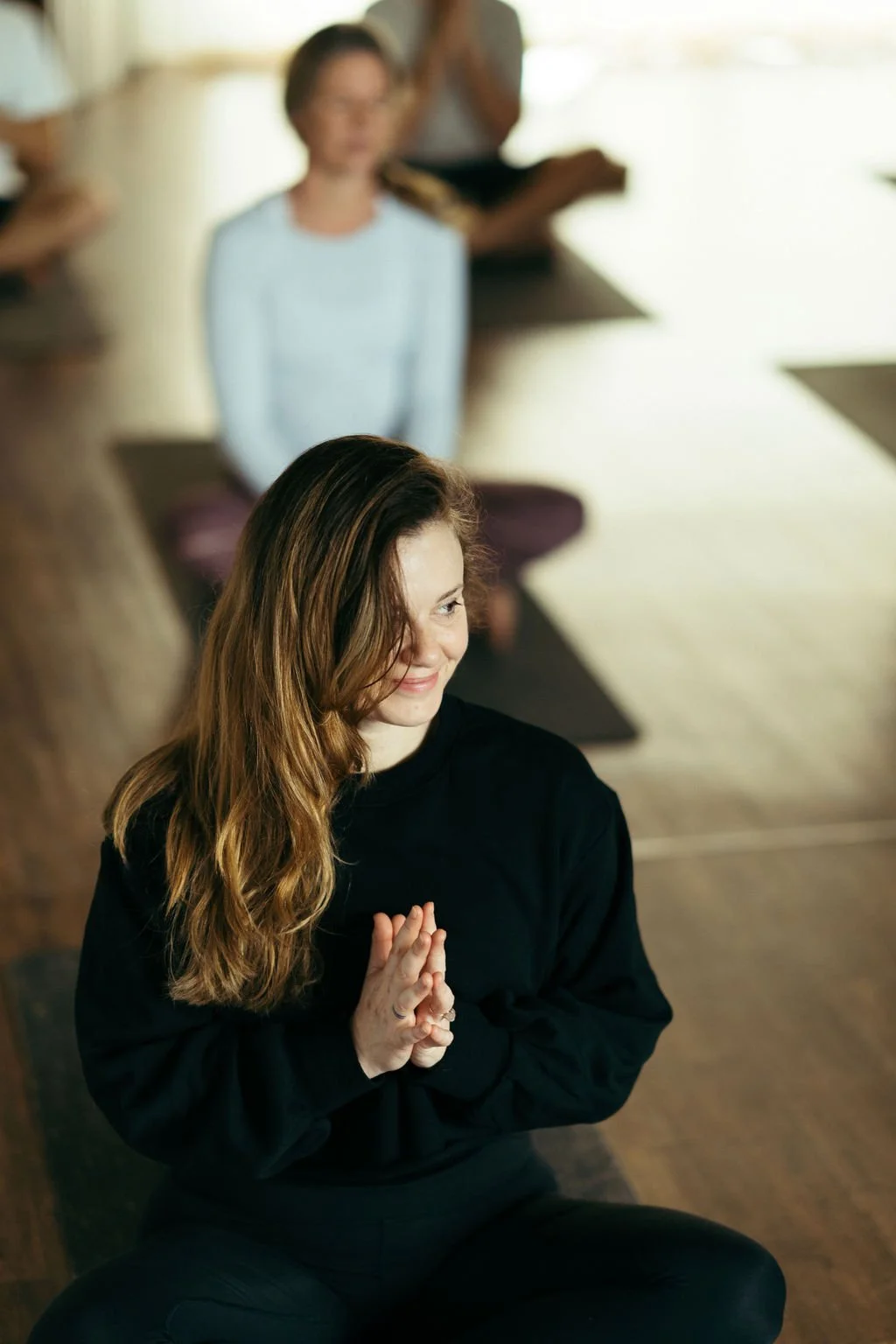
A Place to Begin.
Sometimes the most valuable place to start is simply through conversation.
An opportunity to connect, share ideas, ask questions and explore the relationship between movement, Eastern philosophy and the way we live.
With over twenty years of personal practice and sixteen years of teaching, my work brings together an understanding of the physical body, the nature of the mind and the subtle relationship between the two.
Perhaps you’re a yoga teacher looking to refine your understanding of movement, sequencing or philosophy. Perhaps you’re wanting to establish a personal practice, explore new perspectives or simply have a conversation about something you’ve been curious about.
There is no particular level of experience required, nor do you need to arrive with a clear direction.
This is an opportunity to meet, exchange ideas and explore what may be of value to you.
For some, a single conversation may offer a fresh perspective or a little more clarity. For others, it may become a stepping stone towards working together more closely through a Five-Week Intensive or Three-Month Mentorship.
Either way, the conversation is valuable in itself.
How We Meet
We can connect from anywhere in the world via Zoom or meet in person by arrangement. Sometimes that might simply mean sitting together in a café and allowing a conversation to unfold.
Each session is shaped around your questions, interests and what you would like to explore.
60 minutes | $150 AUD
Available online worldwide or in person by arrangement.
An Invitation
You don’t need to know exactly what you’re looking for to begin.
Sometimes a conversation is enough to open a new way of seeing, understanding or approaching something in your life.
Book a Conversation
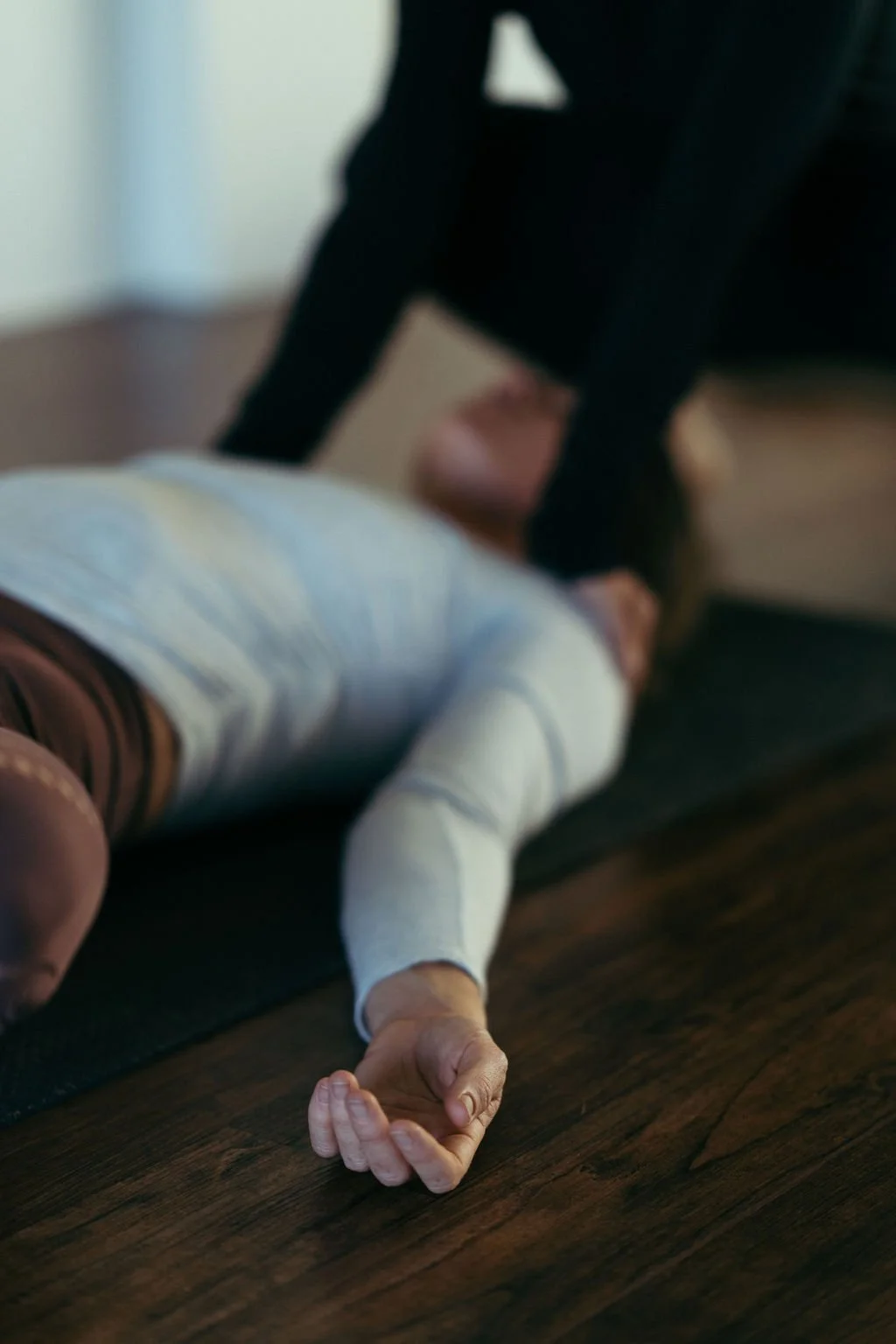
The Essential Intensive | Three Sessions
South West, Western Australia or Online
The three sessions build upon one another, with repetition being an important part of the process.
Session One | Foundations of Movement
Understanding the Body as a System of Support
Our first session introduces the relationship between the muscular and skeletal systems, fascia, the cardiovascular system and the central nervous system.
We look at how these systems work together and how movement, breath and awareness influence the way we function.
Some of the main areas we explore are:
• Muscular and skeletal support: Understanding that muscle is designed to be used and how effective muscular engagement supports the spine, joints and skeletal structure.
• Fascia and mind: Exploring the relationship between connective tissue, the nervous system, sensory awareness and how physical and psychological patterns can influence one another.
• Spine and nervous system: Understanding the spine as a central structure for movement and support, and its relationship to the central nervous system.
• Breath and cardiovascular support: Looking at lung capacity, diaphragm function and how breathing supports movement and nervous system regulation.
• Gut and brain connection: Introducing the communication between the gut, brain and nervous system, and how these systems influence our physical and psychological responses.
We then bring these ideas into simple, practical movement patterns.
The intention is to break down what can seem like complex systems into something accessible, giving people a greater understanding of how to support themselves physically.
Whether someone is working through an injury, beginning their movement journey or is already an advanced practitioner, these fundamentals remain relevant. The movements themselves can be adapted to the individual.
There is also a symbolic element to this work. Learning how to physically support ourselves and step forward with intention can reflect the way we approach other areas of life.
Session Two | Movement, Repetition & the Chain Effect
Understanding How the Body Works Together
Our second session builds upon the first, revisiting the same fundamental movement patterns.
Repetition is important because it allows the nervous system to become familiar with movement, while the muscles and connective tissues respond and adapt to appropriate loading over time.
A central focus is what I call the chain effect.
Rather than looking at one isolated muscle or area of the body, we explore how different muscle groups work together, with each area influencing and supporting the next.
Some of the main areas we explore are:
• Repetition and adaptation: Understanding how repeated movement develops greater coordination, awareness and efficiency.
• Muscular chains: Exploring how different muscle groups work together to support the whole body.
• Appropriate loading: Understanding the difference between active muscular engagement, supported movement and placing unnecessary load through the joints and skeletal structures.
• Muscular fatigue and compensation: Recognising how inefficient movement patterns can contribute to fatigue and discomfort, particularly around the lower back, spine, shoulders and hips.
• Mind and movement: Exploring the difference between consciously guiding movement and simply moving through familiar patterns without much awareness.
One of the things I often highlight is the difference between actively participating in a movement and simply sitting in it.
When we understand how to engage the appropriate muscular chains, we begin to recognise how much support the body can create.
And this is where the psychological aspect becomes interesting.
As we become more present within our movements, we begin to develop a clearer relationship between the mind and body. Rather than moving aimlessly, we are consciously participating in what we’re doing.
The intention is to simplify these principles so that each person begins to recognise how to move with greater strength, efficiency and confidence.
Session Three | Self Practice, Rhythm & Philosophy
Understanding Steadiness, Ease and Personal Responsibility
Our final session brings together the physical and psychological principles explored throughout the first two sessions.
One of the philosophical ideas we introduce comes from the Yoga Sutras of Patanjali:
Sthira Sukham Asanam
Sthira means steadiness, Sukham means ease, and Asana refers to posture.
I use this principle to explore the relationship between effort and ease, recognising the importance of not doing too much or too little.
We also look at posture beyond the yoga mat.
In many ways, we are always in posture. Whether we’re standing, sitting, walking or moving through everyday life, we’re continually organising ourselves physically.
And the way we hold ourselves can influence how we feel and respond, just as our psychological state can influence our physical patterns.
Some of the main areas we explore are:
• Sthira and Sukham: Understanding the relationship between steadiness and ease, effort and release.
• Self practice and rhythm: Exploring how simple, consistent practices create opportunities for physical and psychological development.
• Physical and psychological patterning: Recognising how our habitual responses can influence the way we move and hold ourselves.
• Simplicity and progression: Understanding that the fundamental principles of movement remain relevant whether someone is a beginner, a gymnast, a dancer, an athlete or an advanced yoga practitioner.
• Personal responsibility: Developing a greater understanding of our own choices, habits and the importance of showing up for ourselves.
One of the things I’ve recognised over the years is that self practice creates a certain rhythm within the system.
And through that rhythm, we begin to develop a stronger relationship with ourselves.
This is something that many traditional systems, including yoga and Steiner education, have recognised for a long time.
The importance of repetition, rhythm and practice is not simply about physical development. It also creates an opportunity to become more aware of our habits and take greater responsibility for our own wellbeing.
A big part of this is learning to become comfortable with being uncomfortable.
Recognising that appropriate challenges, whether physical or psychological, can create opportunities for growth and adaptation.
We finish by bringing the movement principles together into a simple, sustainable self practice that can continue beyond our sessions.
Beyond the Essentials
These three sessions are really just a small introduction to a much larger body of work that I’ve developed through over 20 years of practice, teaching and study.
The full programme is something I highly recommend exploring one-on-one, because everyone comes with different movement patterns, physical capabilities, habits and experiences.
Working individually allows me to observe these differences and tailor the work specifically to the person.

Five-Week Intensive
The Five-Week Intensive is a personalised one-to-one experience, offering time to explore the foundations of movement, breath, Eastern philosophy and the relationship between the body and mind.
At the heart of this work is a return to the bare basics.
Learning how to pull in, pull back, understand the role of the spine, use the limbs with greater awareness and find rhythm within the body. We begin to look at movement patterns on a simple level, understanding how different parts of the body work together and how strength, mobility and stability are cultivated.
These foundations become the starting point for so much more. As we become familiar with our own movement, we begin to recognise patterns, develop confidence and discover a natural rhythm that extends into other aspects of life.
In many ways, this becomes the dance of life.
Alongside the physical work, Eastern philosophy brings another dimension to the experience. Through enquiry, conversation and the exploration of philosophical ideas, we invite the creative self into play, allowing space for those unexpected, sometimes mystical and magical moments of understanding.
The intention is not to fix or constantly improve ourselves, but to become more knowledgeable through experience, developing the awareness and confidence to take greater responsibility for how we move, think and live.
Who the Intensive Is For
This intensive is for anyone with a curious mind and a willingness to learn.
Whether you’re a beginner, an advanced practitioner, someone navigating physical limitations, a yoga teacher wanting to deepen your understanding or simply someone looking to build greater confidence in everyday life, the work begins with where you are.
Drawing upon the breadth of my education and experience, I adapt the work to the individual, creating space for practical learning, personal enquiry and discovery.
What We May Explore
Depending on your needs, interests and experience, the intensive may include:
● Foundations of movement, mobility and strength
● The role of the spine and the relationship between the limbs and body
● Understanding simple movement patterns and the chain effect of muscle groups
● Rhythm, repetition, loading and release
● Breath, diaphragm function and pranayama
● Meditation, deep rest and restoration
● Eastern philosophy, self-enquiry and creative exploration
● Attention, energy and the relationship between body and mind
● Teaching, sequencing and hands-on adjustment skills
● Developing a sustainable personal practice
Rhythm, Repetition and Responsibility
Meeting twice a week over five weeks creates an opportunity to return to the same patterns, allowing familiarity and understanding to develop through repetition.
There is a natural call and response within this process. We observe, question, practise and return, allowing the work to unfold through experience rather than simply receiving information.
Over time, this familiarity begins to form a kind of memory. We recognise what the body needs, how to find strength, when to soften and how to use our energy more effectively.
Responsibility becomes part of this memory. The ability to show up, recognise our choices and begin participating more consciously in our own lives.
What begins as a simple movement can become a much broader understanding of ourselves, creating space for confidence, creativity and a more conscious way of being.
How It Works
Duration: Five weeks
Schedule: Two private sessions per week, each 75–90 minutes
Inclusions: Personalised pranayama and meditation recordings, alongside short movement videos highlighting alignment, movement patterns and areas for further development.
Sessions are developed around the individual and may take place in person, online or through a combination of both, depending on location and availability.

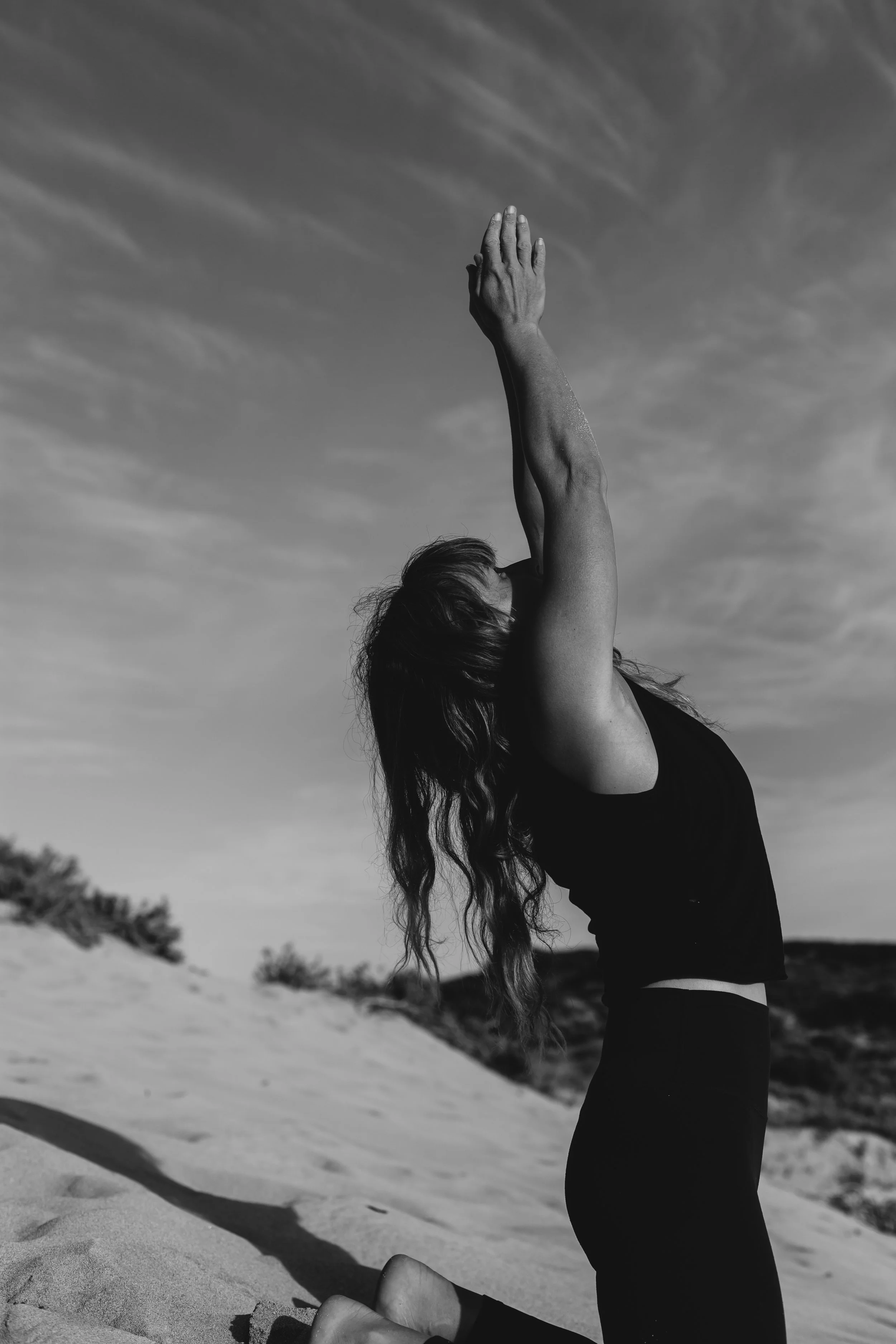
Three-Month Mentorship
The Three-Month Mentorship is a personalised one-to-one program for anyone with a curious mind and a willingness to explore, learn and develop a greater understanding of themselves.
Whether you’re an experienced practitioner, a yoga teacher wanting to deepen your knowledge and teaching skills, or simply someone looking to build greater confidence in everyday life, the work begins with where you are.
At the heart of this mentorship is time.
Time to observe, repeat, question and develop knowledge through experience. With consistency and repetition, patterns become familiar, understanding deepens and what we learn begins to take shape in everyday life.
Over three months, we explore the relationship between movement, breath, the body and mind, alongside ideas drawn from Eastern philosophy. Through practical experience, observation and conversation, we begin to recognise our patterns, understand how we use our energy and develop greater awareness of how we respond to life’s circumstances.
The intention is not simply to gather more information, but to become knowledgeable through experience and develop the confidence to take greater responsibility for how we live.
What We May Explore
The direction of the mentorship depends on the individual, their needs, interests and what they would like to develop.
Drawing upon the breadth of my education and experience, I adapt the work to the person in front of me. For some, this may involve developing physical strength, mobility and greater awareness of the body. For others, it may mean exploring Eastern philosophy, deepening a personal practice or developing the knowledge and skills to teach others.
Rather than following a fixed structure, we develop a body of work that is relevant, practical and useful to you.
Depending on the individual, this may include:
● Movement patterns, mobility and strength
● The relationship between muscles, fascia and the nervous system
● Breath, pranayama and meditation
● Repetition, awareness and progressive learning
● Eastern philosophy and self-enquiry
● Deep rest and restorative practices
● Attention, energy and the mind
● Teaching, sequencing and hands-on adjustment skills
● Personal practices that support everyday life
The Value of Time
As with the Five-Week Intensive, we meet twice a week, allowing for consistency, repetition and a deeper relationship with the work.
Over three months, this regular exchange creates a more personal and attentive relationship between us. There is a natural call and response, where observation, questions, practice and conversation inform what comes next.
Rather than moving quickly from one concept to another, we have the time to return, refine and explore things more deeply. This is where knowledge develops, not only through instruction, but through the experience of working together.
As movement becomes more familiar, the mind begins to recognise patterns and the relationship between the two becomes clearer. This also creates space for personal enquiry, recognising our choices and learning how to participate more consciously in our own lives.
Ultimately, the mentorship is about showing up, taking responsibility for ourselves and developing a body of knowledge that we can continue to draw upon independently.
How It Works
The mentorship runs over three months, with two private one-to-one sessions each week, developed around the individual.
Sessions can take place in person, online or through a combination of both, depending on location and availability.
Personalised movement practices, recordings, reflections and supporting material may be provided between sessions to encourage continued learning and integration.
The intention is to create something useful and lasting, where the knowledge gained becomes part of how you move, think and live.
No results found
No results match your search. Try removing a few filters.